
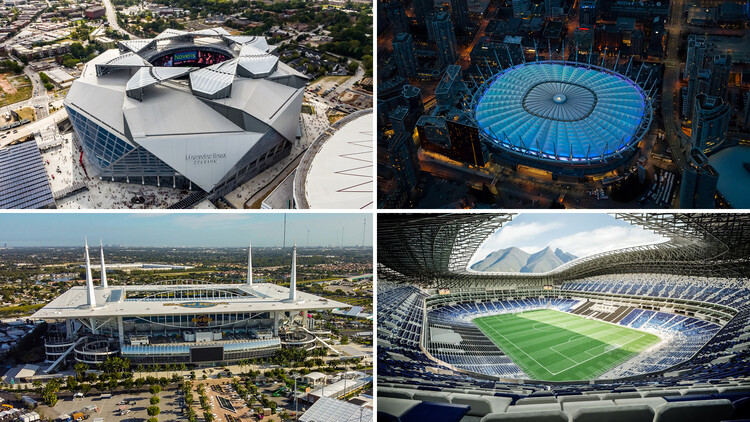
Cathedrals of Football: The World Cup’s Iconic Stadiums

marqaannews.net – The FIFA World Cup, the most prestigious tournament in international football, is not only a celebration of the beautiful game but also a showcase of the world’s most iconic stadiums. These colossal structures, often referred to as the cathedrals of football, are more than just venues where matches are played; they are monuments to the passion, history, and culture of the sport. Each stadium has its own unique character and story, contributing to the rich tapestry of World Cup lore. Here, we take a journey through some of the most iconic stadiums that have hosted the World Cup, exploring their significance and the memories they have created.

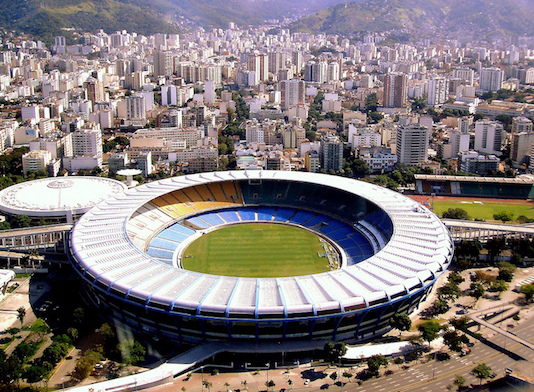
  1. Maracanã Stadium, Brazil
    The Maracanã Stadium in Rio de Janeiro, Brazil, is perhaps the most famous football stadium in the world. With a capacity of over 78,000, it hosted the final of the 1950 World Cup, a match that ended in heartbreak for the host nation. The stadium’s sheer size and the dramatic events that have unfolded within its walls have cemented its place in football history.Brazil: Millions Overbilled in Maracana Stadium Renovation
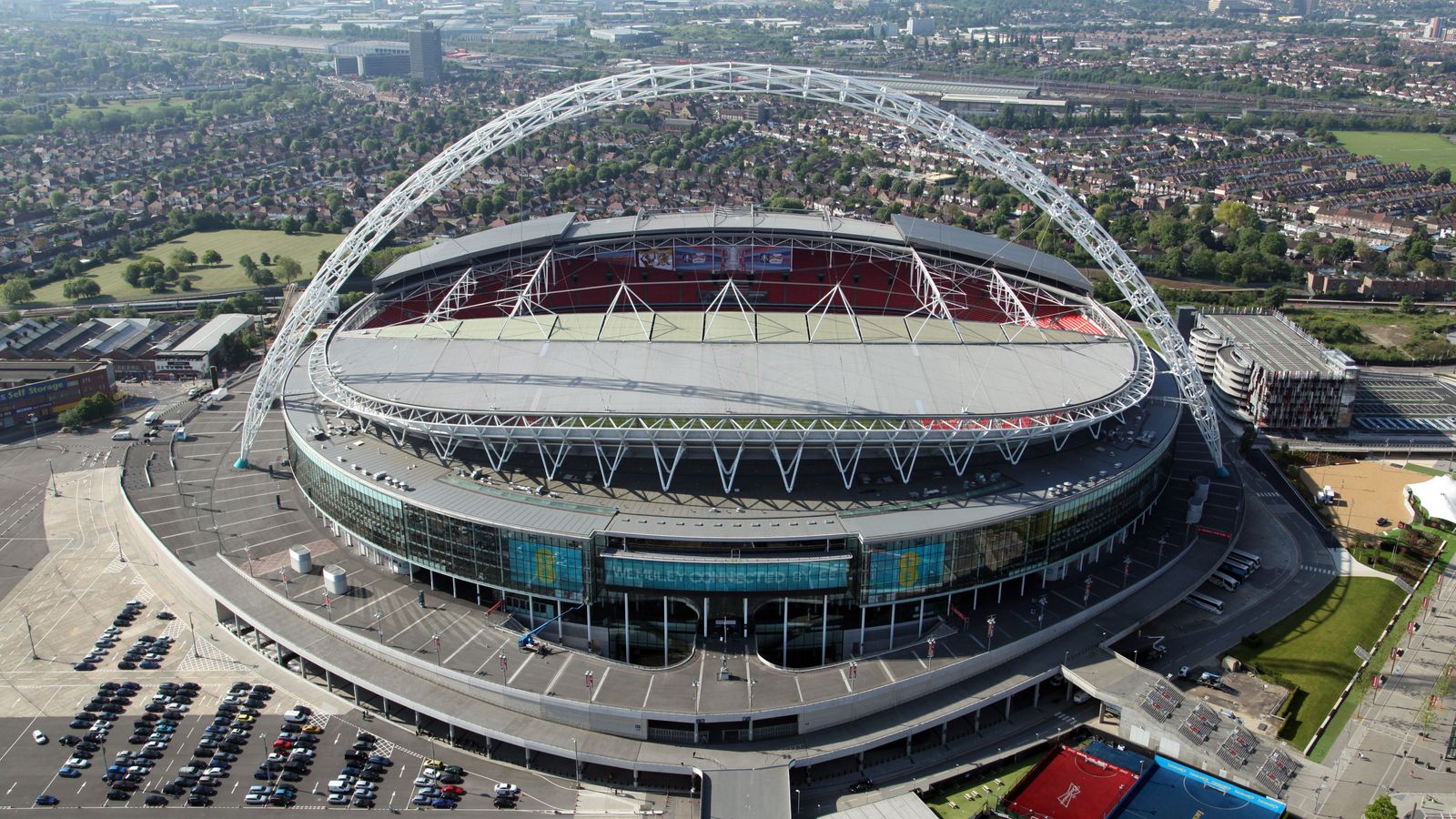
  2. Wembley Stadium, England
    Wembley Stadium, known as the “Home of Football,” has been a symbol of English football since its opening in 1923. It hosted the final of the 1966 World Cup, where England famously lifted the trophy after a 4-2 victory over West Germany. The stadium’s arch and twin towers have become iconic landmarks in the world of football.COVID-19: Vaccine passports or proof of negative test to be used at Wembley for Euro 2020 matches | UK News | Sky News
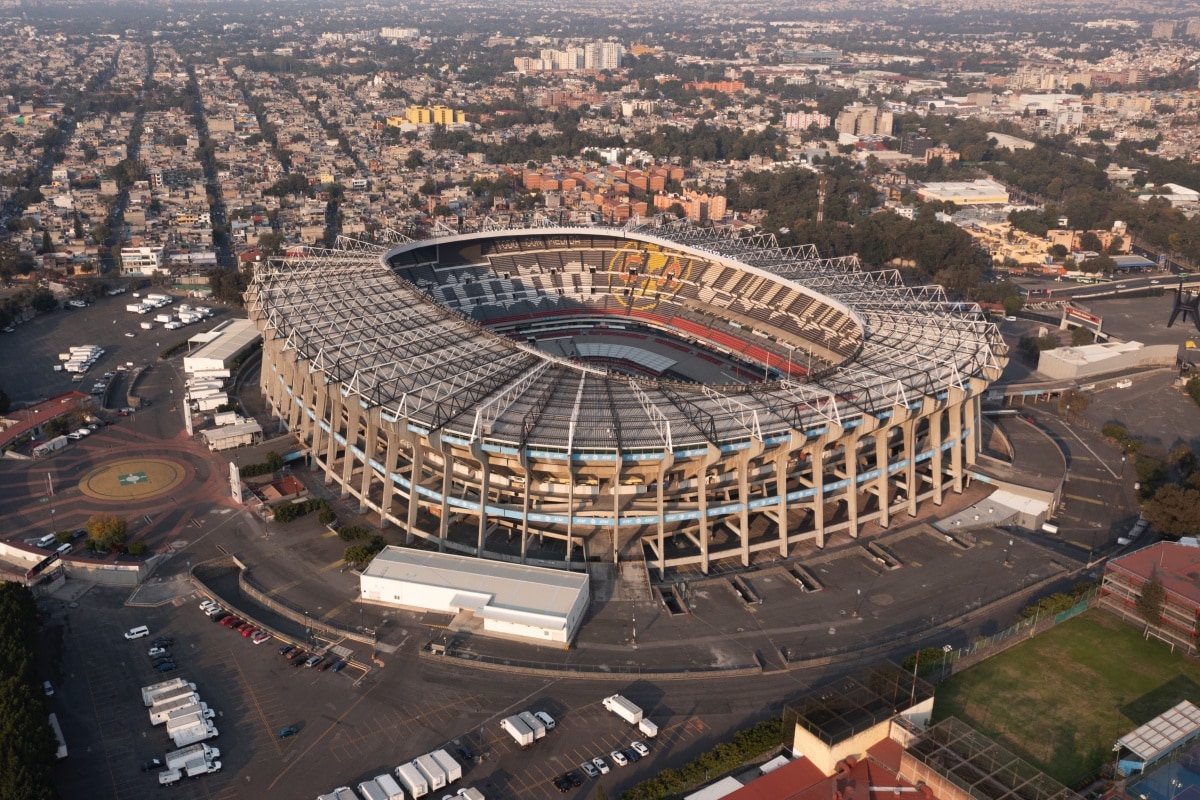
  3. Estadio Azteca, Mexico
    Estadio Azteca in Mexico City holds the distinction of being the only stadium to have hosted two World Cup finals (1970 and 1986). It is the spiritual home of Mexican football and has witnessed some of the most memorable moments in World Cup history, including Pelé’s last World Cup goal in 1970.Estadio Azteca (Mexico City) All You Need to Know BEFORE You Go
  4. Camp Nou, Spain
    Although it has never hosted a World Cup final, Camp Nou in Barcelona is one of the largest stadiums in the world and the home of FC Barcelona. It played host to several matches during the 1982 World Cup, including a memorable semi-final between Italy and Poland.Visit Camp Nou (FC Barcelona Stadium) - Tours & Tickets
  5. Luzhniki Stadium, Russia
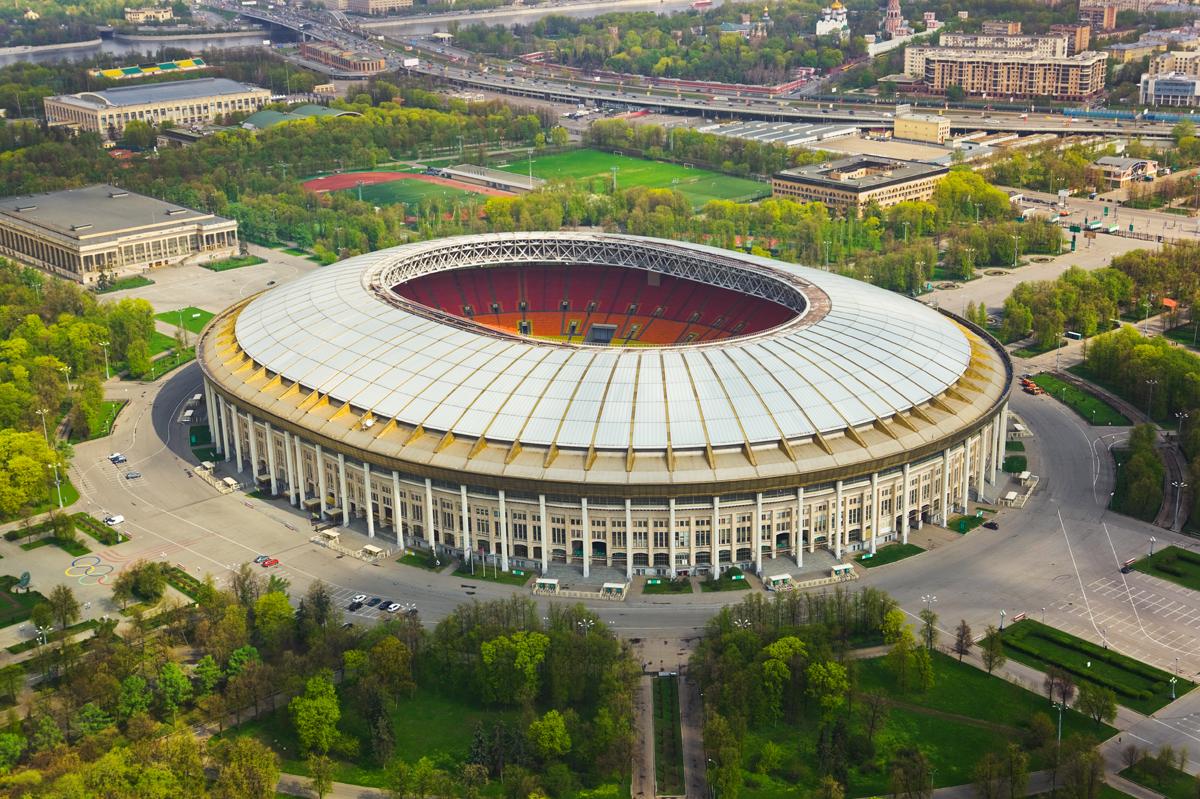
    Luzhniki Stadium in Moscow, Russia, was the venue for the final of the 2018 World Cup. It has a rich history, having hosted the 1980 Summer Olympics and the UEFA Champions League final in 2008. The stadium’s modernization for the World Cup made it a fitting stage for the tournament’s climax.9 Unbelievable Facts About Luzhniki Stadium - Facts.net
  6. Soccer City, South Africa
    Soccer City in Johannesburg, South Africa, was the centerpiece of the 2010 World Cup, hosting the opening match and the final. Its distinctive appearance, resembling an African calabash, made it an instantly recognizable symbol of the first World Cup held in Africa.FNB Stadium (Soccer City) – Stadium Base
  7. San Siro (Stadio Giuseppe Meazza), Italy
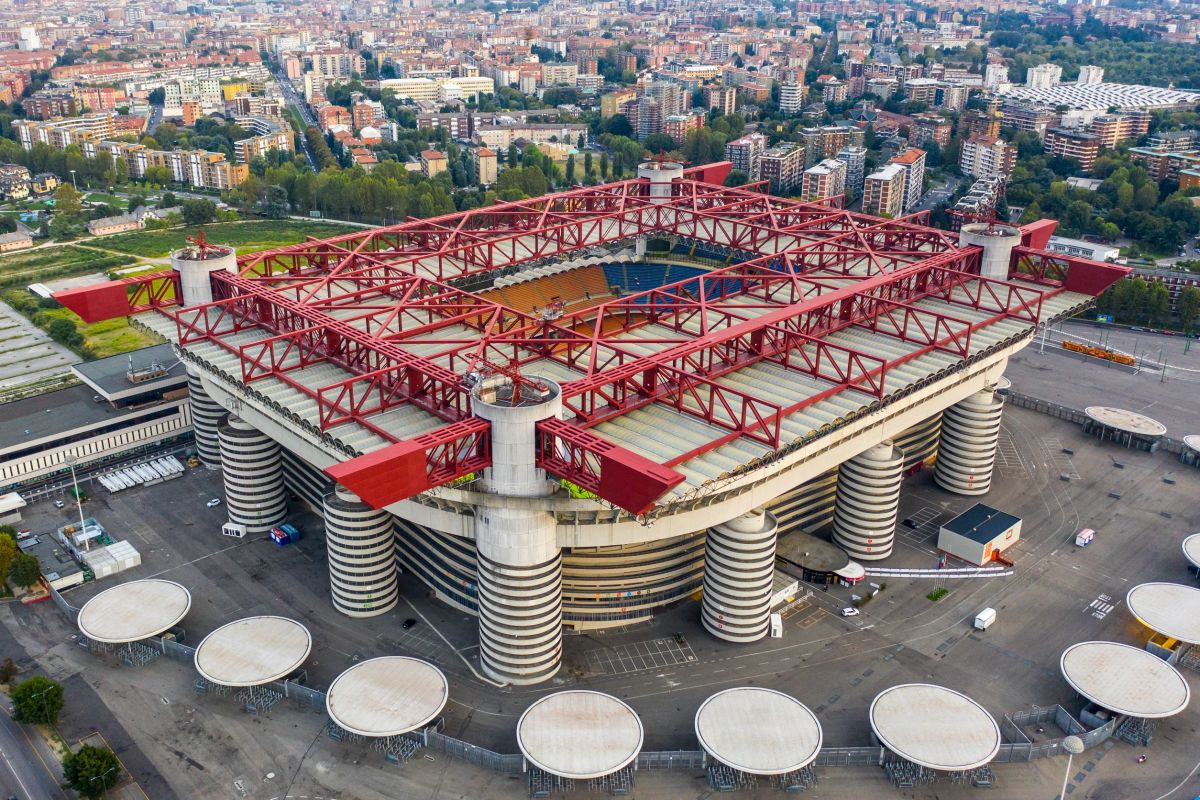
    San Siro, the home of AC Milan and Inter Milan, hosted matches during the 1934 and 1990 World Cups. Its imposing structure and passionate fan atmosphere have made it one of the most feared venues for visiting teams.Notizie - Stadio di San Siro: demolirlo o ristrutturarlo? Gli impatti - INFOBUILD
  8. Westfalenstadion (Signal Iduna Park), Germany
    Westfalenstadion, the home of Borussia Dortmund, is famous for its “Yellow Wall,” the largest terrace for standing spectators in European football. It was one of the venues for the 2006 World Cup and is known for its electric atmosphere.Westfalenstadion - Wikipedia

These stadiums are more than just buildings; they are living, breathing entities that have witnessed the triumphs and heartaches of the world’s greatest footballers. They are the cathedrals of football, where the game’s most sacred moments are celebrated, and where the spirit of the beautiful game truly comes alive. Each World Cup brings new stories and memories to these hallowed grounds, ensuring their place in the hearts of football fans around the world for generations to come.

Iconic Motorcycles and Their Stories: Steel Horses

The world of motorcycles is rich with history, culture, and a sense of freedom that is unparalleled. These machines, often referred to as “steel horses,” have been icons of rebellion, independence, and adventure for over a century. Each iconic motorcycle has a story that is woven into the fabric of its design, engineering, and the experiences of those who ride them. In this article, we will explore some of the most legendary motorcycles and the tales that have made them cultural touchstones.

The Harley-Davidson Knucklehead

The Harley-Davidson Knucklehead, introduced in 1936, was a game-changer in the motorcycle world. Its distinctive engine design, with valve covers that resembled a knuckle, gave it its name and set the standard for V-twin engines. The Knucklehead was not only a technological advancement but also a symbol of American ingenuity and the open road. It became synonymous with the image of the rugged individualist, the cowboy of the modern era, riding through the vast expanses of the American landscape.

The Triumph Bonneville

The Triumph Bonneville, first produced in 1959, is a quintessential British motorcycle that has become an icon of style and performance. Named after the Bonneville Salt Flats in Utah, where motorcycle land speed records were set, the Bonneville was designed to compete with the growing popularity of American bikes. Its sleek lines, powerful 650cc engine, and agile handling made it a favorite among riders and café racers. The Bonneville’s legacy is one of enduring design and the embodiment of the British motorcycling spirit.

The Honda Super Cub

The Honda Super Cub, launched in 1958, is the most produced motor vehicle in history, with over 100 million units sold. This small, reliable motorcycle was instrumental in popularizing motorcycling worldwide, particularly in Asia. The Super Cub’s story is one of practicality, accessibility, and the democratization of personal transportation. It has been a workhorse for millions, from farmers in rural communities to urban commuters, and has played a significant role in the economic development of many countries.

The Ducati 916

The Ducati 916, introduced in 1993, revolutionized the world of sportbikes with its radical design and engineering. Designed by Massimo Tamburini, the 916’s trellis frame, liquid-cooled V-twin engine, and aggressive styling set a new standard for performance and aesthetics. The 916’s success on both the road and the racetrack cemented Ducati’s reputation as a manufacturer of high-performance, beautifully designed motorcycles. The 916’s story is one of innovation, passion, and the pursuit of excellence.

The BMW R1200GS

The BMW R1200GS, first introduced in 1999, is the quintessential adventure motorcycle. With its boxer engine, rugged build, and versatility, the GS has become the choice for riders seeking to explore the world’s most remote and challenging terrains. The GS’s story is one of adventure, reliability, and the spirit of discovery. It has accompanied riders on epic journeys across continents, through deserts, and over mountains, proving time and again that it is the ultimate travel companion.

Each of these iconic motorcycles has a unique story that reflects the era in which it was created, the values it embodies, and the experiences it has enabled. They are more than just machines; they are symbols of freedom, icons of design, and companions on the journey of life. The steel horse continues to gallop through the imagination and reality of riders around the world, carrying with it the stories of the past and the dreams of the future.