
Cathedrals of Football: The World Cup’s Iconic Stadiums

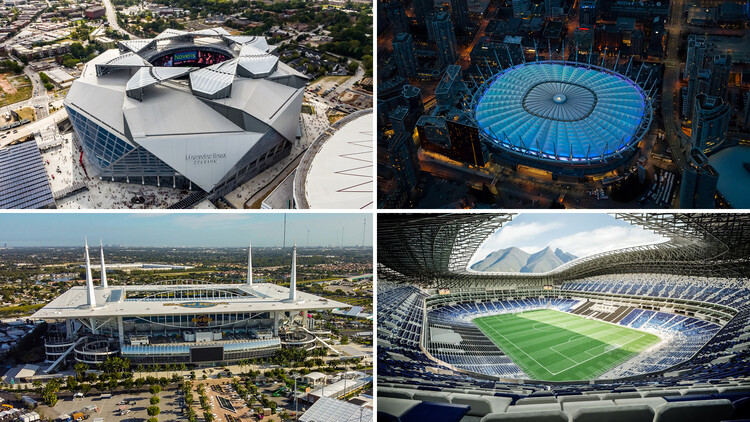
marqaannews.net – The FIFA World Cup, the most prestigious tournament in international football, is not only a celebration of the beautiful game but also a showcase of the world’s most iconic stadiums. These colossal structures, often referred to as the cathedrals of football, are more than just venues where matches are played; they are monuments to the passion, history, and culture of the sport. Each stadium has its own unique character and story, contributing to the rich tapestry of World Cup lore. Here, we take a journey through some of the most iconic stadiums that have hosted the World Cup, exploring their significance and the memories they have created.

  1. Maracanã Stadium, Brazil
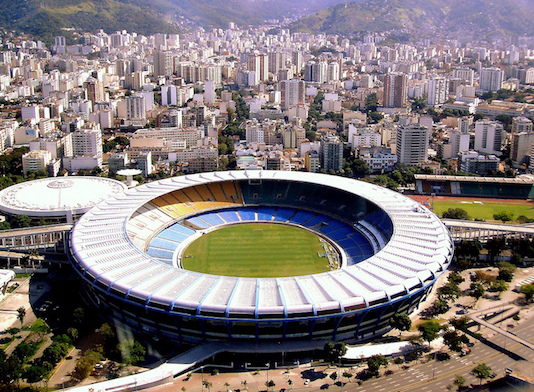
    The Maracanã Stadium in Rio de Janeiro, Brazil, is perhaps the most famous football stadium in the world. With a capacity of over 78,000, it hosted the final of the 1950 World Cup, a match that ended in heartbreak for the host nation. The stadium’s sheer size and the dramatic events that have unfolded within its walls have cemented its place in football history.Brazil: Millions Overbilled in Maracana Stadium Renovation
  2. Wembley Stadium, England
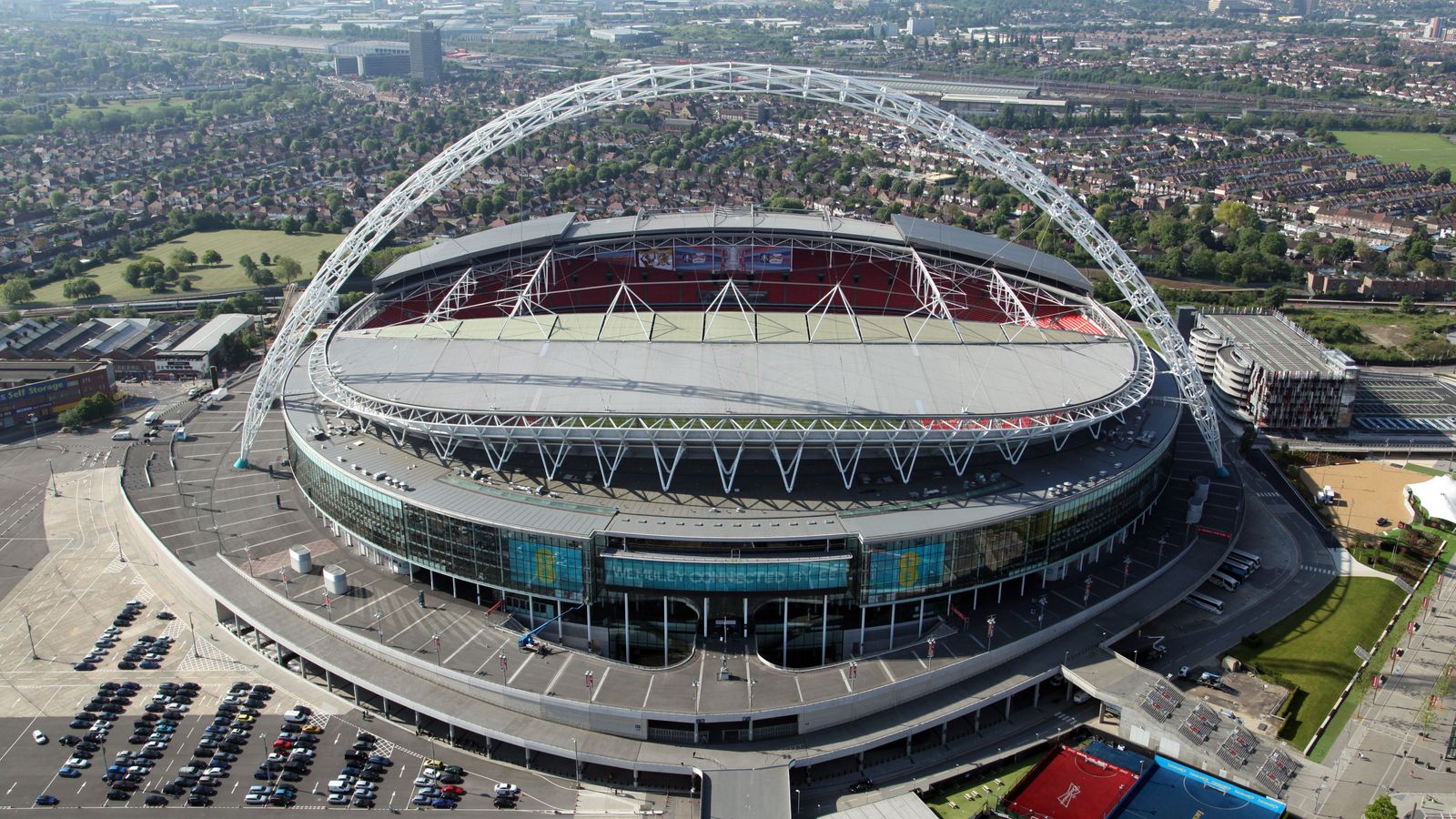
    Wembley Stadium, known as the “Home of Football,” has been a symbol of English football since its opening in 1923. It hosted the final of the 1966 World Cup, where England famously lifted the trophy after a 4-2 victory over West Germany. The stadium’s arch and twin towers have become iconic landmarks in the world of football.COVID-19: Vaccine passports or proof of negative test to be used at Wembley for Euro 2020 matches | UK News | Sky News
  3. Estadio Azteca, Mexico
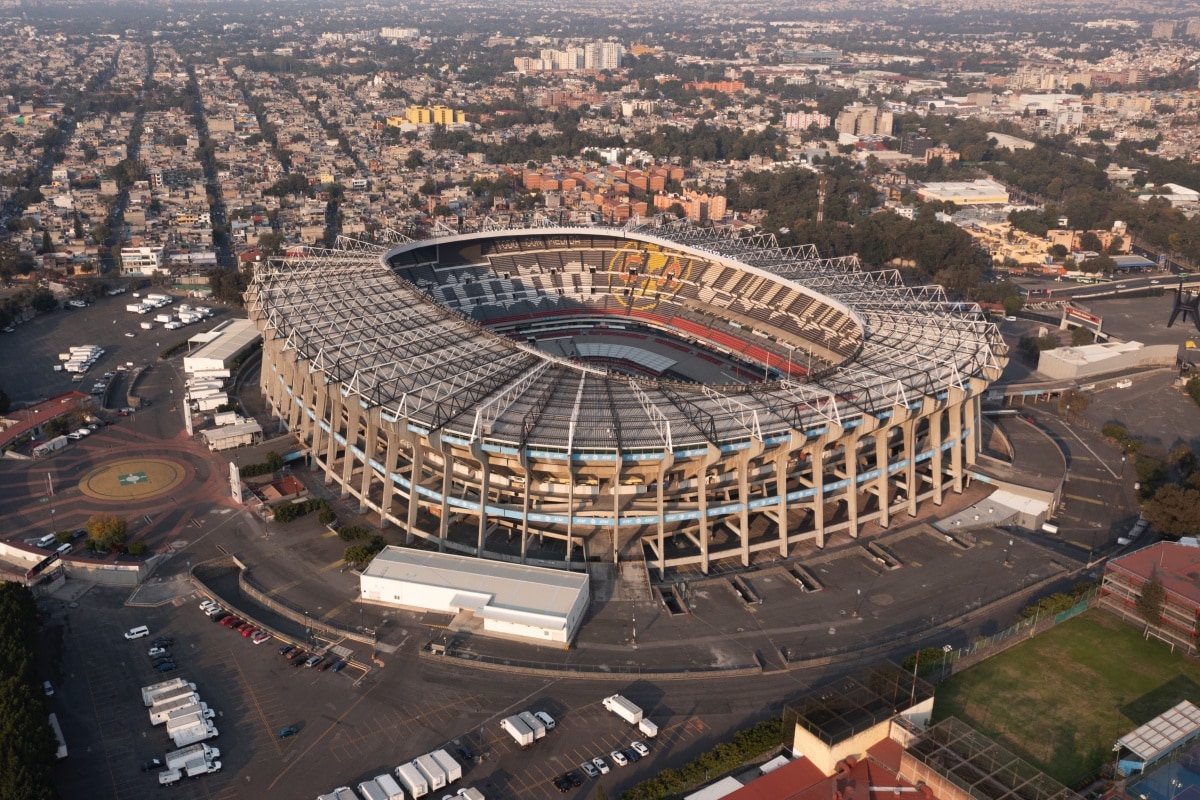
    Estadio Azteca in Mexico City holds the distinction of being the only stadium to have hosted two World Cup finals (1970 and 1986). It is the spiritual home of Mexican football and has witnessed some of the most memorable moments in World Cup history, including Pelé’s last World Cup goal in 1970.Estadio Azteca (Mexico City) All You Need to Know BEFORE You Go
  4. Camp Nou, Spain
    Although it has never hosted a World Cup final, Camp Nou in Barcelona is one of the largest stadiums in the world and the home of FC Barcelona. It played host to several matches during the 1982 World Cup, including a memorable semi-final between Italy and Poland.Visit Camp Nou (FC Barcelona Stadium) - Tours & Tickets
  5. Luzhniki Stadium, Russia
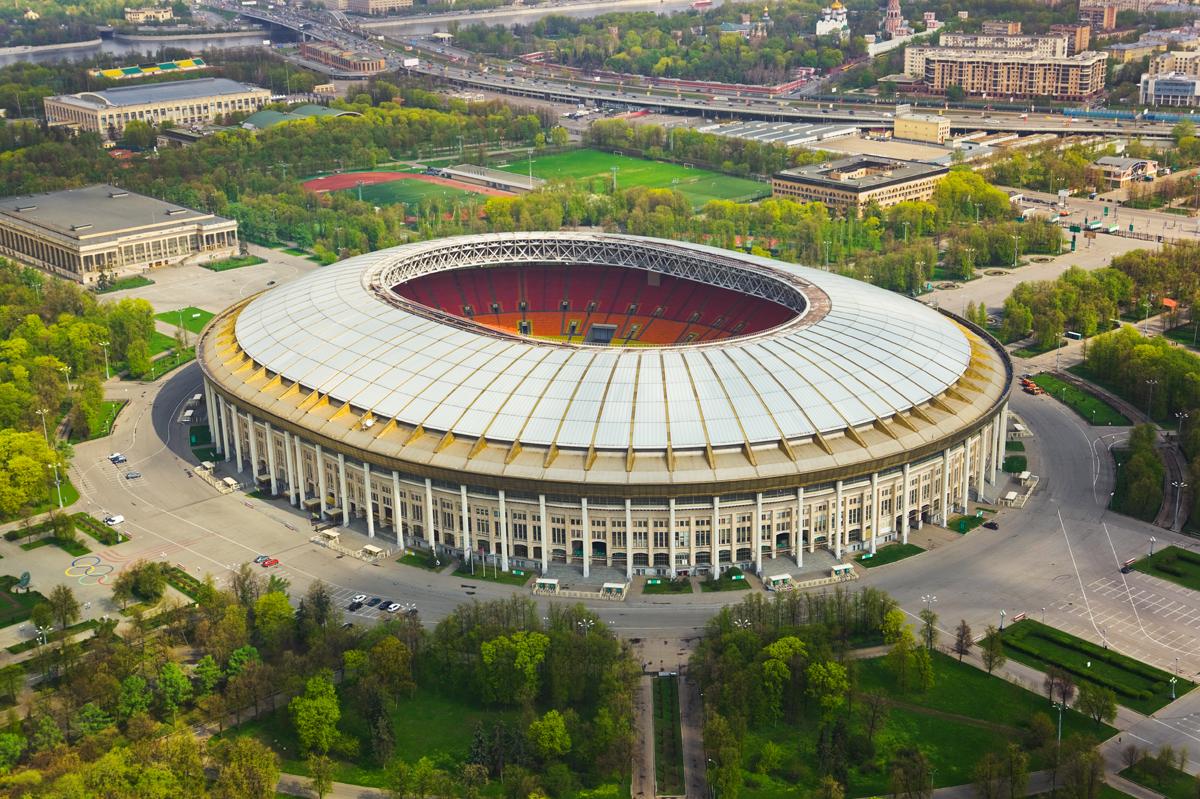
    Luzhniki Stadium in Moscow, Russia, was the venue for the final of the 2018 World Cup. It has a rich history, having hosted the 1980 Summer Olympics and the UEFA Champions League final in 2008. The stadium’s modernization for the World Cup made it a fitting stage for the tournament’s climax.9 Unbelievable Facts About Luzhniki Stadium - Facts.net
  6. Soccer City, South Africa
    Soccer City in Johannesburg, South Africa, was the centerpiece of the 2010 World Cup, hosting the opening match and the final. Its distinctive appearance, resembling an African calabash, made it an instantly recognizable symbol of the first World Cup held in Africa.FNB Stadium (Soccer City) – Stadium Base
  7. San Siro (Stadio Giuseppe Meazza), Italy
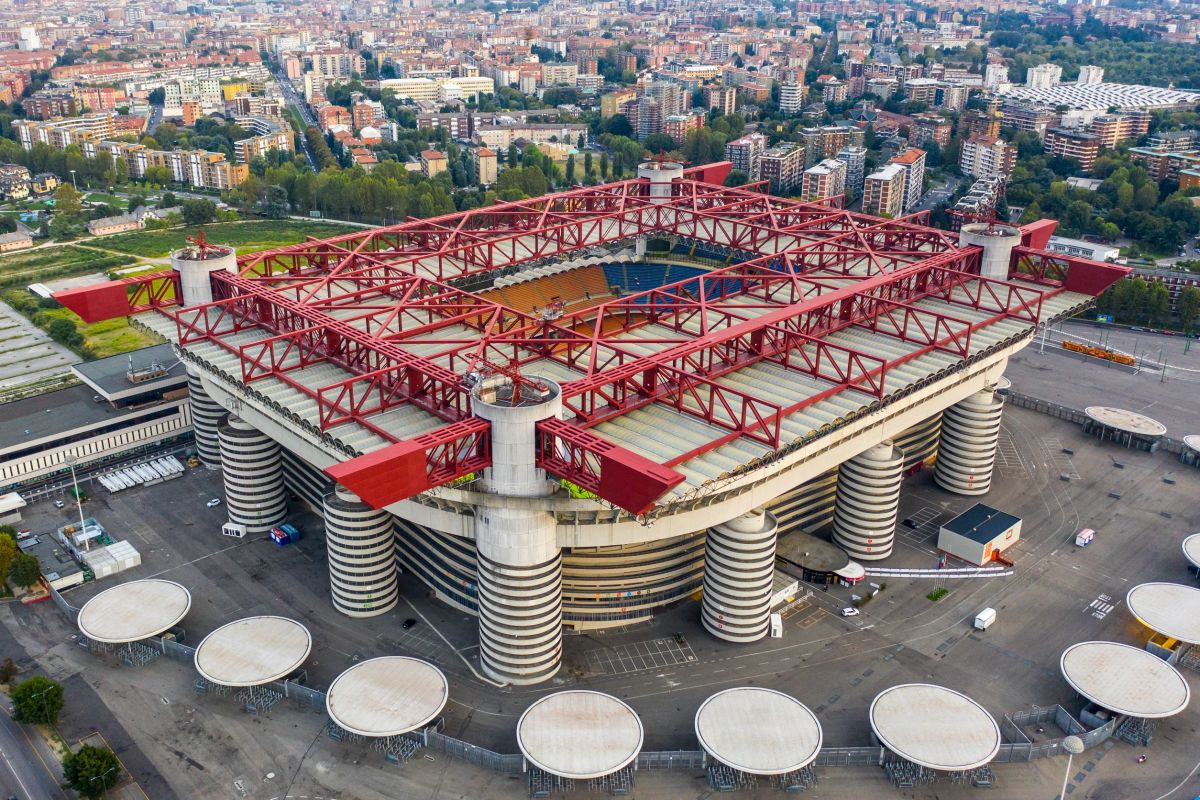
    San Siro, the home of AC Milan and Inter Milan, hosted matches during the 1934 and 1990 World Cups. Its imposing structure and passionate fan atmosphere have made it one of the most feared venues for visiting teams.Notizie - Stadio di San Siro: demolirlo o ristrutturarlo? Gli impatti - INFOBUILD
  8. Westfalenstadion (Signal Iduna Park), Germany
    Westfalenstadion, the home of Borussia Dortmund, is famous for its “Yellow Wall,” the largest terrace for standing spectators in European football. It was one of the venues for the 2006 World Cup and is known for its electric atmosphere.Westfalenstadion - Wikipedia

These stadiums are more than just buildings; they are living, breathing entities that have witnessed the triumphs and heartaches of the world’s greatest footballers. They are the cathedrals of football, where the game’s most sacred moments are celebrated, and where the spirit of the beautiful game truly comes alive. Each World Cup brings new stories and memories to these hallowed grounds, ensuring their place in the hearts of football fans around the world for generations to come.

11 Rising Stars to Watch in the Upcoming Football Season

As the football season approaches, fans and pundits alike are eagerly anticipating the performances of established stars and the emergence of new talents. Among the buzz and excitement, several rising stars have caught the eye, either through their performances in lower divisions, youth teams, or international stages. These players are poised to make significant impacts in the upcoming season, and here are eleven of them to keep an eye on:

  1. Bukayo Saka (Arsenal, England) – Already a key player for Arsenal and a standout for England at the Euros, Saka’s versatility and pace make him a star in the making. His ability to play on the wing or as an attacking midfielder adds to his allure.
  2. Pedri (Barcelona, Spain) – Despite his young age, Pedri has already made a name for himself at Barcelona and with the Spanish national team. His composure on the ball and passing ability are beyond his years, making him one to watch.
  3. Erling Haaland (Borussia Dortmund, Norway) – Haaland has been a sensation wherever he’s played, and his goal-scoring record is nothing short of spectacular. His physicality, speed, and finishing make him a nightmare for defenders.
  4. Jude Bellingham (Borussia Dortmund, England) – At a young age, Bellingham has already shown he can perform on the big stage, both in the Champions League and with the England national team. His maturity and midfield prowess are impressive.
  5. Ansu Fati (Barcelona, Spain) – Before his injury, Fati was one of Barcelona’s most exciting talents. With his pace, dribbling, and eye for goal, he’s expected to return stronger and become a key player for both club and country.
  6. Alphonso Davies (Bayern Munich, Canada) – Davies’ speed and skill on the left flank have made him one of the most exciting full-backs in the game. His performances for Bayern Munich and Canada have been nothing short of spectacular.
  7. Giovanni Reyna (Borussia Dortmund, USA) – Reyna’s creativity and vision on the field have marked him out as a special talent. His ability to unlock defenses and score important goals makes him a key player for Dortmund and the USMNT.
  8. Ferran Torres (Manchester City, Spain) – Torres has shown he can be a key player for Manchester City and Spain with his versatility and goal-scoring ability. His performances in the Champions League and Euros have been particularly impressive.
  9. Mason Greenwood (Manchester United, England) – Greenwood’s talent is undeniable, with his ability to score from almost anywhere on the pitch. His development into a more complete forward will be key to his and Manchester United’s success.
  10. Jamal Musiala (Bayern Munich, England/Germany) – Musiala has already made a significant impact at Bayern Munich with his skill and intelligence on the ball. His ability to play in multiple positions in midfield and attack adds to his value.
  11. Eduardo Camavinga (Rennes, France) – Camavinga’s poise and skill in midfield have attracted attention from Europe’s top clubs. His defensive work and ability to drive forward make him a complete midfielder.

These players represent the future of football, and their performances in the upcoming season could define their careers. With the potential to become legends of the game, these rising stars are not just players to watch but could be the ones dictating the future of football. Fans and clubs alike will be eagerly watching their development, hoping to witness the birth of new footballing heroes.