
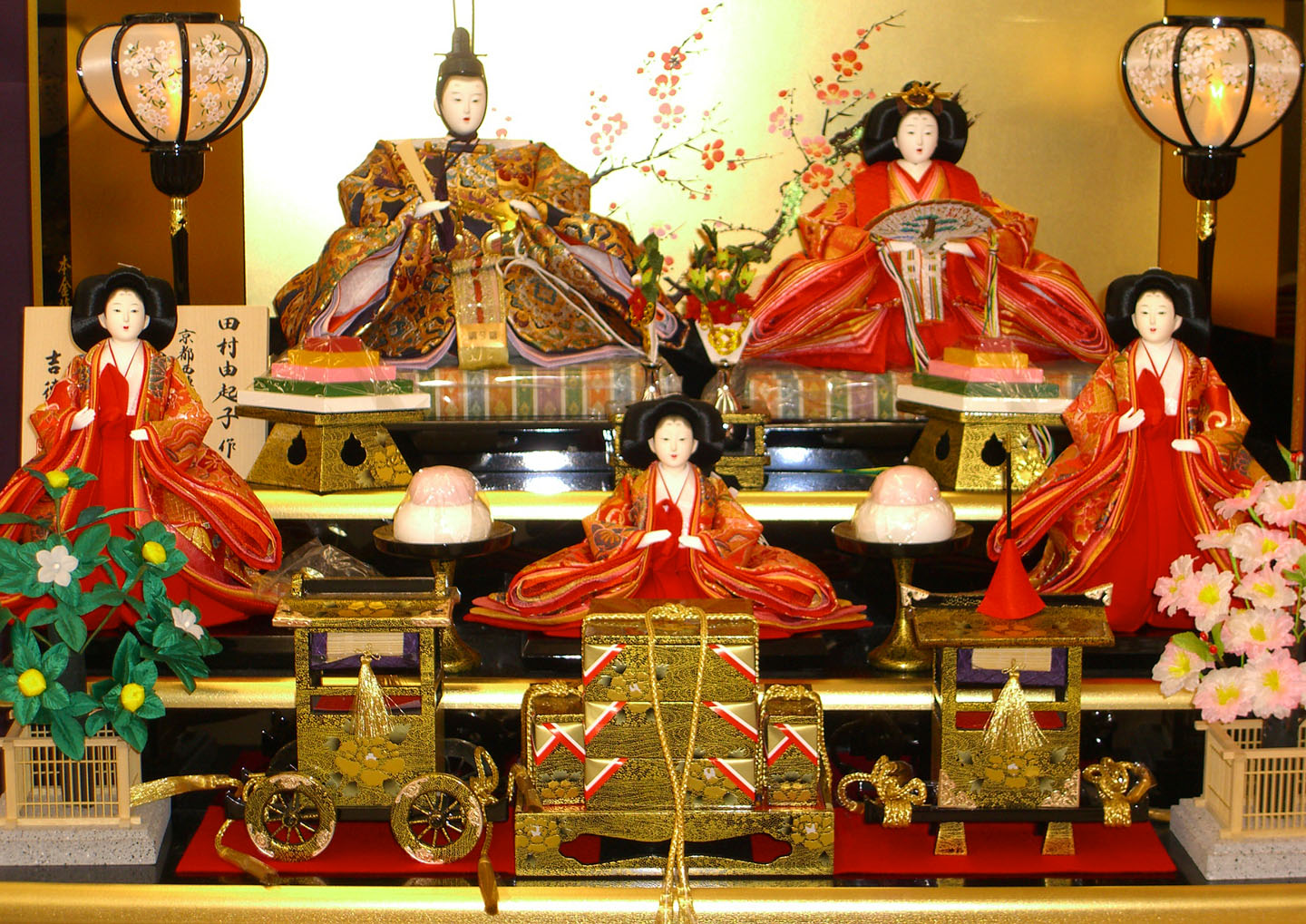
The Eerie Allure of Japan’s Unsettling Doll Festival

marqaannews.net – Nestled within the cultural tapestry of Japan, a festival unfolds that is as captivating as it is unsettling. This is the tale of the Ningyo Matsuri, or the Doll Festival, an event that delves into the realms of tradition, superstition, and the uncanny valley. The festival, while deeply rooted in Japanese folklore and history, has garnered international attention for its eerie spectacle, inviting both the curious and the brave to witness the surreal display of hundreds, if not thousands, of dolls.

The origins of the Doll Festival trace back to ancient Japanese customs designed to ward off evil spirits and misfortune. It is believed that dolls can absorb bad luck and harm, protecting their owners from calamity. This practice, known as hina-nagashi (literally “floating the hina dolls”), involved setting dolls adrift on a river, symbolically carrying away any misfortune. Over centuries, these rituals evolved, merging with other traditions to form the modern Doll Festival, celebrated on March 3rd, known as Hina Matsuri.

However, the festival that captures the imagination with its eerie allure is not the traditional Hina Matsuri but a variation that has grown in popularity. These events, often held in temples, shrines, or historical sites, feature an array of dolls that are far from the delicate, ornate hina dolls traditionally displayed. Instead, they are an assemblage of dolls of all kinds, from antique to contemporary, some beautifully preserved, others showing signs of age and wear. This eclectic mix, combined with the sheer number of dolls on display, creates an atmosphere that is both enchanting and unsettling.

The dolls are arranged in a way that mimics a human community, with figures of all ages and roles. This setup, while intended to evoke a sense of nostalgia and connection to the past, can also elicit a feeling of unease. The unblinking eyes, the frozen smiles, and the silent stares of the dolls seem to draw visitors into a world where time stands still, a realm that exists on the fringes of the familiar and the unknown.

The festival’s eerie appeal is not just in the visual spectacle but also in the stories that accompany many of the dolls. Some are said to be haunted, with tales of strange occurrences and unexplained phenomena adding to their mystique. These narratives, whether based on fact or folklore, contribute to the festival’s reputation as a bridge between the physical and the supernatural.

Despite, or perhaps because of, its unsettling nature, the Doll Festival has become a significant cultural event that attracts thousands of visitors. It serves as a reminder of the complex relationship between humans and the objects we create, imbued with our hopes, fears, and beliefs. The dolls, once cherished companions or revered symbols, now stand as silent witnesses to the passage of time, their presence both a comfort and a caution.

In a world that often seeks to sanitize and simplify the past, the Doll Festival offers a glimpse into the shadows, inviting us to confront the ambiguity and mystery that lie at the heart of human experience. It is a celebration of tradition, a reflection on mortality, and a reminder of the thin veil that separates the ordinary from the extraordinary.

As the festival continues to evolve, it remains a testament to the enduring power of ritual and the human fascination with the unknown. For those who dare to look beyond the surface, the Doll Festival of Japan offers a unique encounter with the eerie, the enchanting, and the eternal.

The Allure of Dangerous Women: Femme Fatale

marqaannews.net – Throughout history, the figure of the femme fatale has captivated the imagination of artists, writers, and filmmakers, embodying a complex blend of danger, seduction, and mystery. The term “femme fatale,” which translates to “fatal woman” in French, refers to a stock character of a mysterious and seductive woman whose charms ensnare her lovers, often leading them into compromising, dangerous, and deadly situations. This archetype is not just a product of male fantasy or fear; it is a multifaceted symbol of female power, autonomy, and the subversion of traditional gender roles.

The roots of the femme fatale can be traced back to ancient mythology, where figures like Circe, Medusa, and Delilah were depicted as women who wielded their beauty and cunning to ensnare and destroy men. In literature, the femme fatale has been immortalized in characters such as Marguerite Gautier in Alexandre Dumas’ “La Dame aux Camélias,” and Carmen in Prosper Mérimée’s novella. These characters are not mere victims of their circumstances but active agents who defy societal norms and expectations.

In the 19th and early 20th centuries, the femme fatale became a prominent figure in art and literature, often portrayed as a seductress who threatened the moral and social order. Artists like Gustave Klimt and Aubrey Beardsley captured her essence in their works, while writers like Oscar Wilde and Joseph Conrad explored her psychological depth. The femme fatale was not just a sexual predator but a symbol of the anxieties surrounding female sexuality and independence.

The golden age of the femme fatale, however, is often associated with film noir of the 1940s and 1950s. Iconic characters like Phyllis Dietrichson in “Double Indemnity,” Catherine Tramell in “Basic Instinct,” and Fatale in “Femme Fatale” epitomize the genre’s dark, cynical view of human nature. These women are not only beautiful and seductive but also intelligent, manipulative, and often morally ambiguous. They challenge the male protagonists and the audience’s expectations, refusing to conform to the passive, nurturing roles traditionally assigned to women.

The allure of the femme fatale lies in her unapologetic embrace of her desires and her refusal to be defined by others. She is a figure of empowerment, using her sexuality and intelligence to navigate a world that seeks to control and objectify her. Yet, this power comes with a price, as the femme fatale is often portrayed as isolated, doomed to walk a solitary path. Her independence and strength are both her greatest weapons and her tragic flaw.

In contemporary culture, the femme fatale continues to evolve, reflecting changing attitudes towards gender, sexuality, and power. Artists like Beyoncé and Rihanna have embraced the archetype, redefining it for a new era. They celebrate female sexuality and strength, challenging the notion that women must be passive or submissive. In film and television, characters like Villanelle in “Killing Eve” and Eve Polastri in “Killing Eve” subvert traditional gender roles, presenting a more nuanced and complex vision of the femme fatale.

The enduring appeal of the femme fatale lies in her ability to embody the contradictions and complexities of female identity. She represents the tension between desire and danger, autonomy and vulnerability, power and isolation. As society continues to grapple with these themes, the figure of the femme fatale remains a potent symbol of the allure and peril of women who refuse to be confined by the expectations of others.